


 Floral Best Sellers
 Fruity Best Sellers
 Sweet & Gourmand Best Sellers
 Luxury Designer Picks for Women
 Signature Youthful Scents
 Classic Floral Elegance
 Flirty Floral Favorites
 Elegant Daytime Scents
 Delicate Feminine Florals
 Feminine Powdery Signatures
 Powdery Floral Femininity
 Soft Feminine Florals
 Seductive Sweet Florals
 Iconic Floral Signatures
 Sophisticated Designer Florals
 Viral Sweet Favorites
 Elegant Salty-Vanilla Blends
 Youthful Celebrity Favorites


 Woody & Spicy Best Sellers
 Fresh & Citrus Picks
 Long-lasting Masculine Scents
 Signature Power Scents
 Sporty & Dynamic
 Modern Masculine Scents
 Amber-Fresh Masculine
 Spicy Tobacco Orientals
 Citrusy-Leathery Blends
 Fruity-Coconut Masculine
 Classic Fruity-Masculine


 Clean & Minimalist
 Floral-Woody Balance
 Citrus-Oriental Fusion
 Niche Unisex Favorites
 Top Unisex Daily Wear
 Romantic Unisex Picks
 Artistic Citrus-Woody Notes
 Japanese Minimalist Elegance
 High-Concentration Perfume Oils
 Artisan Blends
 High-End Gem-Inspired Scents
 Gemstone-Inspired Citrus
 Intense Oriental Blends
 Mediterranean Exotic Notes
 Oud & Oriental Blends
 Floral & Sweet Duos
 Citrus & Fresh Pairings
 Niche & Gourmand Crowns
 Intense Oriental Blends
 Warm Gourmand Florals
 Warm Amber-Floral Notes
 Rich Floral Rose Elixirs
 Deep Gourmand Tobacco
 Citrus-Woody Niche Blends
 Sophisticated Evening Wear
 Oud-Based Oils
 Bakhoor-Inspired Oils
 Spicy Oriental Scents
 Amber & Incense Oils
 Traditional Arabic Attar
 Modern Arabian Fusion
 Royal Oud-Oriental Blends
 Resinous Evening Scents
 Woody
Woody
 Floral
 Fresh Floral
 Chypre
 Fougère
 Resinous / Balsamic
 Fruity
 Gourmand
 Spicy
Spicy
 Green Plants
 Aquatic / Marine
 Musk
Musk
 Leather

 Diffuser & Aroma Use
 Roll-on Applications
 Seasonal New Arrivals (Summer/Winter)
 Hot Right Now – Trendy Perfume Oils
 Sensual Tropical Scents
 Summer Vibes
 Autumn Warmth
 Winter Richness
 Aromatic Perfume Oils
 Floral Perfume Oils
 Fresh Aquatic Perfume Oils
 Fruity Perfume Oils
 Herbal Green Perfume Oils
 American West Perfume Oils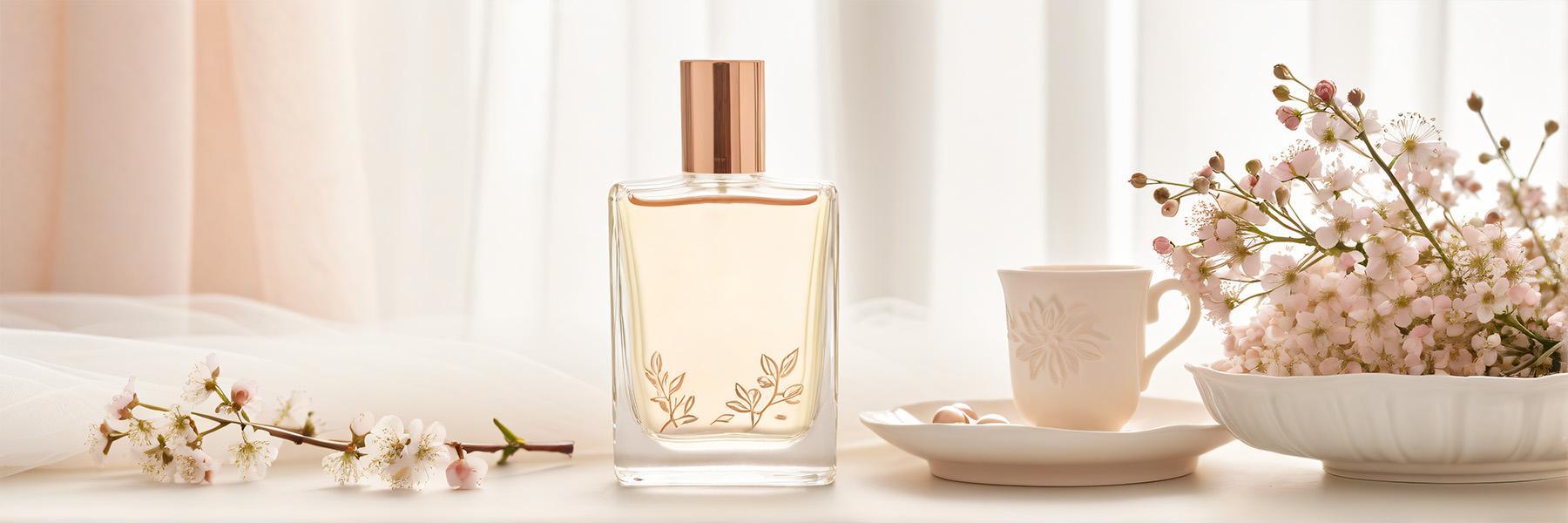
Sensory Calmness in Modern Homes
Sensory Calmness in Modern Homes
Modern luxury homes are increasingly designed around emotional comfort, sensory balance, and restorative atmosphere. As contemporary lifestyles become more overstimulating, residential environments are evolving into spaces that support calmness, emotional regulation, and immersive sensory living experiences.
Inspired by wellness retreats and hospitality-driven design, many contemporary homes now prioritize sensory calmness as an essential part of modern luxury living.
The Relationship Between Environment and Emotional Balance
Residential environments have a significant influence on emotional perception and psychological comfort. Lighting, acoustics, airflow, textures, fragrance, spatial openness, and natural materials all contribute to how a home emotionally feels throughout everyday life.
Wellness-oriented residential design increasingly focuses on reducing sensory overload while encouraging emotional calmness through immersive atmosphere planning.
Rather than emphasizing visual excess alone, many contemporary luxury homes now prioritize emotional softness, slower sensory pacing, and restorative environmental experience.
How Sensory Calmness Shapes Modern Residential Design
Sensory calmness is often created through the careful integration of architecture, atmosphere, and wellness-oriented spatial planning. Open layouts, layered textures, filtered daylight, natural airflow, calming acoustics, and hospitality-inspired atmosphere strategies all contribute to emotionally balanced residential environments.
Luxury hospitality environments have long used these principles to shape emotional experience inside wellness resorts, spa retreats, and immersive sanctuary-style spaces.
This same philosophy increasingly influences contemporary luxury homes designed around emotional well-being and restorative living experiences.
The Role of Fragrance in Sensory Atmosphere
Fragrance continues to play an increasingly important role within sensory-oriented residential environments. Ambient scent contributes to emotional continuity and reinforces calming atmosphere throughout connected living spaces.
Soft botanical accords, warm woods, tea-inspired notes, eucalyptus, neroli, mineral-inspired fragrances, and spa-oriented aromatic blends are commonly associated with emotionally calming residential environments because they support sensory softness and immersive atmosphere.
Rather than dominating a space, these fragrance environments are designed to feel subtle, restorative, and emotionally integrated into the broader sensory experience of the home.
Why Wellness-Oriented Homes Continue to Evolve
The growing importance of sensory calmness reflects a broader transformation in contemporary luxury culture. Homeowners increasingly seek spaces that feel emotionally restorative, wellness-oriented, and psychologically supportive throughout daily life.
As a result, luxury homes are evolving into immersive sanctuary-style environments where emotional atmosphere becomes central to residential design itself.
This transformation continues influencing architecture, interior design, sensory planning, hospitality-inspired living, and emotional wellness strategies across modern luxury residential environments.
Sensory Living and Hospitality-Inspired Atmosphere
Many contemporary homes now integrate hospitality-inspired atmosphere planning strategies traditionally associated with luxury resorts and wellness environments. Open-air transitions, wellness lounges, calming material palettes, ambient fragrance, and sensory continuity all contribute to immersive residential experiences designed around emotional calmness.
This hospitality-driven approach increasingly shapes the future of sensory living within luxury homes.
The Future of Sensory Calmness in Luxury Living
As sensory living continues evolving, emotional atmosphere and environmental psychology will likely become increasingly central to luxury residential architecture. Future homes will continue integrating wellness architecture, sensory calmness, fragrance, and restorative atmosphere into unified living experiences designed around emotional well-being.
In this evolving vision of luxury, sensory calmness represents not simply a design preference, but a broader shift toward emotionally restorative and wellness-oriented residential living.
Many contemporary homes now integrate sleep-oriented fragrance concepts to support restorative nighttime atmosphere and emotional relaxation.
The growing influence of stress reduction through ambient scent continues shaping emotionally calming residential environments.
Many wellness-oriented homes now prioritize emotional atmosphere as an essential part of sensory living and restorative residential design.
 Floral Best Sellers
 Everyday Elegant Scents
 Resinous / Balsamic
 Oriental / Amber
 Fougère