


 Floral Best Sellers
 Fruity Best Sellers
 Sweet & Gourmand Best Sellers
 Luxury Designer Picks for Women
 Signature Youthful Scents
 Classic Floral Elegance
 Flirty Floral Favorites
 Elegant Daytime Scents
 Delicate Feminine Florals
 Feminine Powdery Signatures
 Powdery Floral Femininity
 Soft Feminine Florals
 Seductive Sweet Florals
 Iconic Floral Signatures
 Sophisticated Designer Florals
 Viral Sweet Favorites
 Elegant Salty-Vanilla Blends
 Youthful Celebrity Favorites


 Woody & Spicy Best Sellers
 Fresh & Citrus Picks
 Long-lasting Masculine Scents
 Signature Power Scents
 Sporty & Dynamic
 Modern Masculine Scents
 Amber-Fresh Masculine
 Spicy Tobacco Orientals
 Citrusy-Leathery Blends
 Fruity-Coconut Masculine
 Classic Fruity-Masculine


 Clean & Minimalist
 Floral-Woody Balance
 Citrus-Oriental Fusion
 Niche Unisex Favorites
 Top Unisex Daily Wear
 Romantic Unisex Picks
 Artistic Citrus-Woody Notes
 Japanese Minimalist Elegance
 High-Concentration Perfume Oils
 Artisan Blends
 High-End Gem-Inspired Scents
 Gemstone-Inspired Citrus
 Intense Oriental Blends
 Mediterranean Exotic Notes
 Oud & Oriental Blends
 Floral & Sweet Duos
 Citrus & Fresh Pairings
 Niche & Gourmand Crowns
 Intense Oriental Blends
 Warm Gourmand Florals
 Warm Amber-Floral Notes
 Rich Floral Rose Elixirs
 Deep Gourmand Tobacco
 Citrus-Woody Niche Blends
 Sophisticated Evening Wear
 Oud-Based Oils
 Bakhoor-Inspired Oils
 Spicy Oriental Scents
 Amber & Incense Oils
 Traditional Arabic Attar
 Modern Arabian Fusion
 Royal Oud-Oriental Blends
 Resinous Evening Scents
 Woody
Woody
 Floral
 Fresh Floral
 Chypre
 Fougère
 Resinous / Balsamic
 Fruity
 Gourmand
 Spicy
Spicy
 Green Plants
 Aquatic / Marine
 Musk
Musk
 Leather

 Diffuser & Aroma Use
 Roll-on Applications
 Seasonal New Arrivals (Summer/Winter)
 Hot Right Now – Trendy Perfume Oils
 Sensual Tropical Scents
 Summer Vibes
 Autumn Warmth
 Winter Richness
 Aromatic Perfume Oils
 Floral Perfume Oils
 Fresh Aquatic Perfume Oils
 Fruity Perfume Oils
 Herbal Green Perfume Oils
 American West Perfume Oils
Emotional Escape Through Resort Design
Emotional Escape Through Resort Design
Modern luxury homes are increasingly designed to provide more than comfort or visual sophistication. Inspired by private resorts and wellness retreats, contemporary residential environments are evolving into spaces that support emotional decompression, sensory calmness, and psychological restoration. Resort-inspired design has become closely connected to the idea of emotional escape, where architecture, atmosphere, and sensory experience work together to create environments that feel restorative and emotionally immersive.
The Psychology Behind Emotional Escape
One of the defining characteristics of luxury hospitality environments is their ability to create emotional separation from everyday stress. Luxury resorts are intentionally designed to reduce sensory overload and encourage a slower emotional rhythm through atmosphere, openness, natural materials, and spatial calmness.
This psychological effect is increasingly influencing modern residential design. Homeowners are now seeking environments that recreate the emotional experience of private retreats, where architecture contributes directly to relaxation, stillness, and mental clarity.
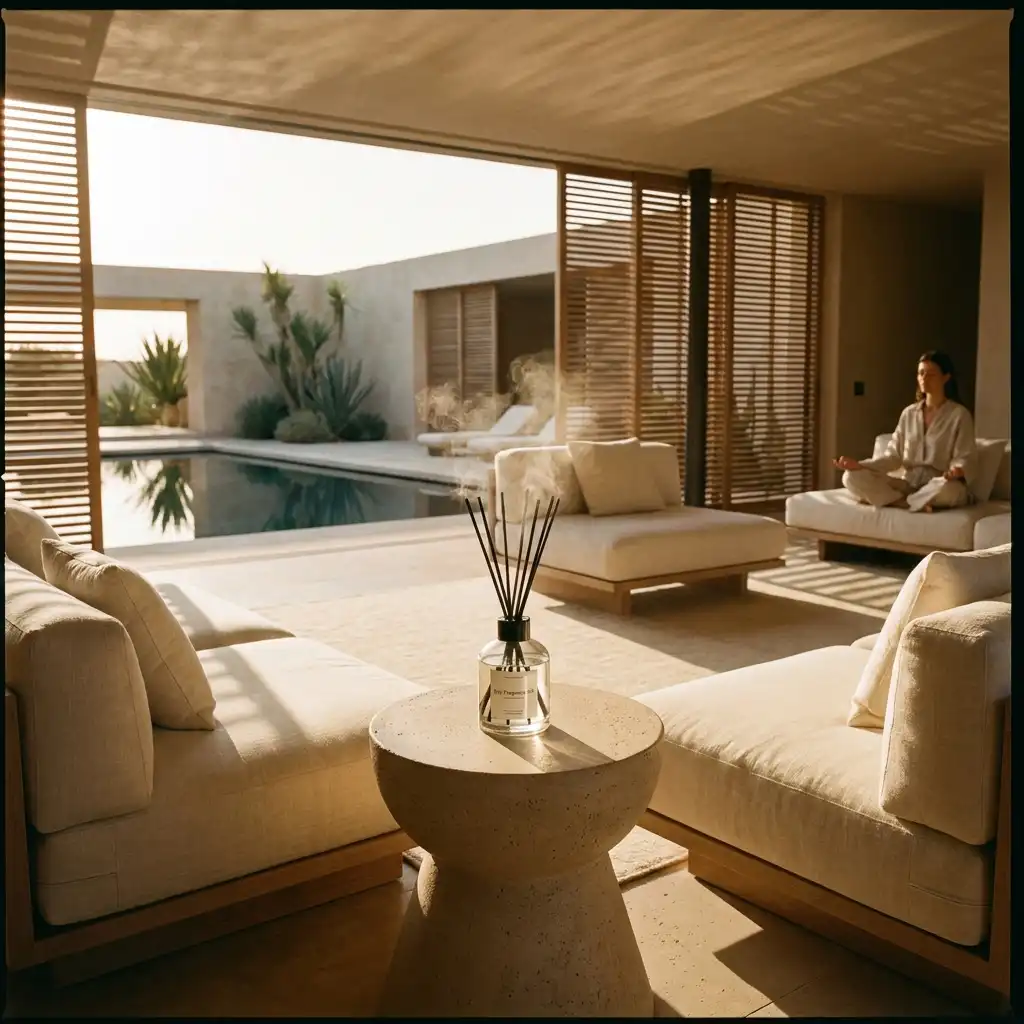
Soft lighting, open-air transitions, layered textures, calming fragrance, and connection with nature all contribute to emotional decompression within resort-inspired environments.
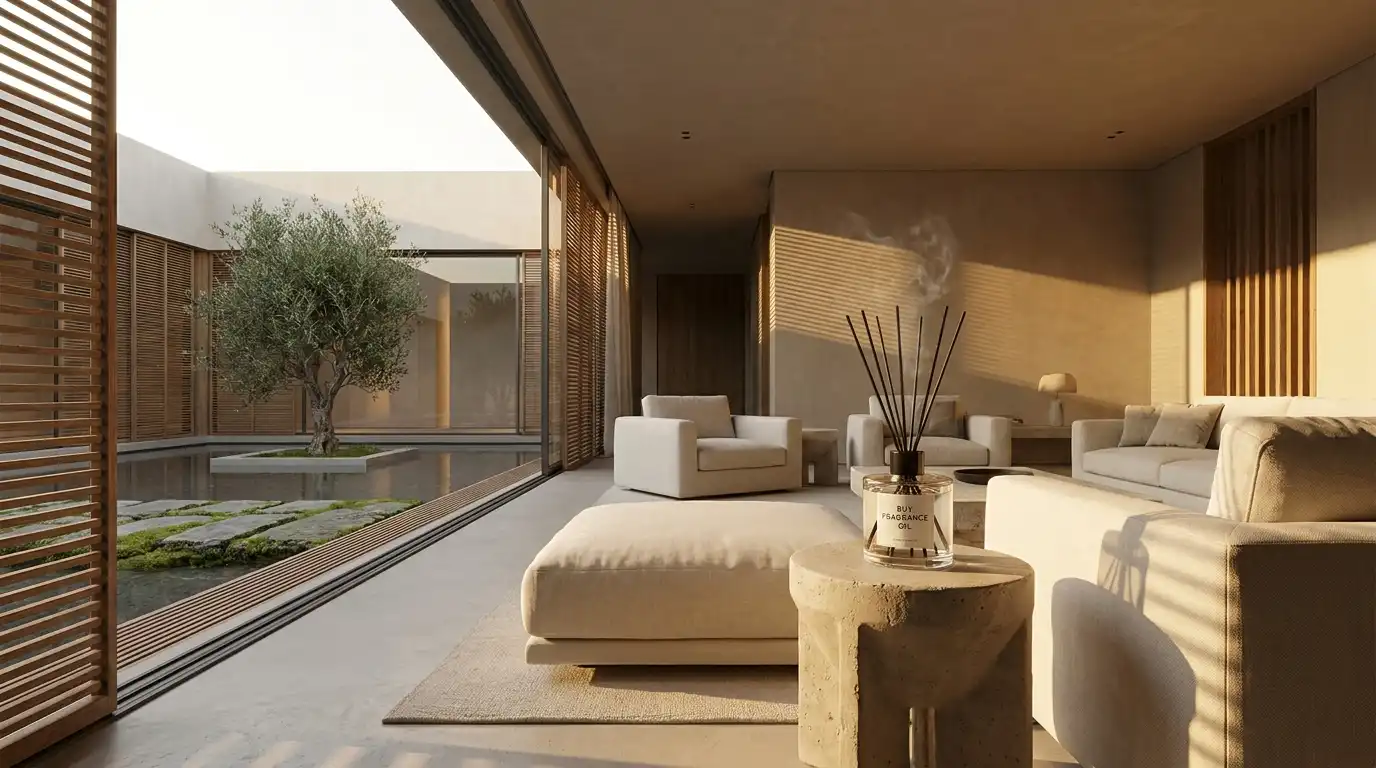
The architecture of stillness: Recreating the restorative atmosphere of world-class private retreats within modern luxury homes.
Why Resort-Inspired Living Continues to Grow
The growing popularity of resort-inspired living reflects a broader shift in how luxury is perceived. Modern luxury is becoming increasingly connected to emotional wellness, sensory comfort, and immersive residential atmosphere rather than visual excess alone.
Many contemporary homes now incorporate hospitality-inspired design elements such as indoor outdoor living spaces, spa-style bathrooms, shaded courtyards, wellness lounges, and natural architectural materials. These features create homes that feel emotionally restorative while supporting everyday well-being.
Rather than functioning solely as residential structures, luxury homes increasingly operate as private sanctuary environments designed around emotional balance and sensory comfort.
Sensory Atmosphere and Emotional Wellness
Atmosphere plays a central role in shaping emotional experience inside luxury homes. Similar to high-end hospitality environments, modern residential spaces increasingly use sensory layering to influence mood, relaxation, and psychological comfort.
Natural airflow, filtered daylight, acoustic softness, calming textures, and ambient fragrance all contribute to emotional atmosphere throughout the home. Together, these elements create environments that feel peaceful, immersive, and emotionally balanced.
Many wellness-oriented homes also incorporate fragrance subtly as part of the overall sensory environment. Soft botanical accords, warm woods, mineral-inspired compositions, and spa-like aromatic profiles are commonly associated with emotional calmness and retreat-inspired living.
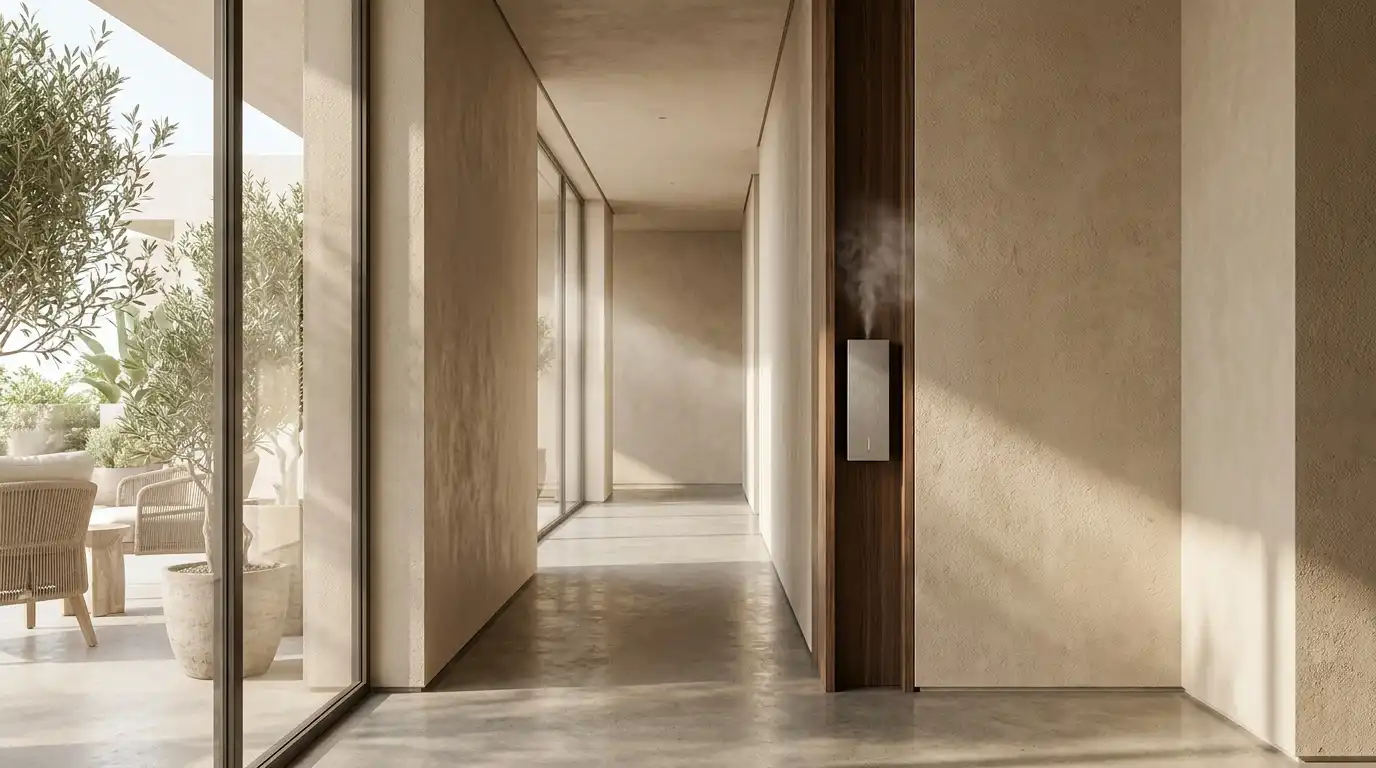
Fluid movement: How transitional environments and built-in fragrance systems support emotional regulation and relaxation.
Architecture as Emotional Experience
In contemporary luxury design, architecture is increasingly viewed not only as physical structure, but also as emotional experience. Spatial openness, natural transitions, visual calmness, and sensory continuity all influence how residents emotionally respond to their surroundings.
Resort-inspired homes often prioritize fluid movement between spaces, allowing environments to feel expansive without becoming overwhelming. Courtyards, terraces, wellness spaces, open lounges, and indoor outdoor transitions all contribute to a greater sense of emotional freedom and relaxation.
This approach reflects the growing influence of hospitality psychology within modern residential architecture.
Creating Homes That Feel Like Private Retreats
Many luxury homeowners are no longer searching simply for impressive interiors. Instead, they seek environments that provide emotional recovery, sensory calmness, and a stronger connection to personal well-being.
Private retreat-inspired homes are increasingly designed around emotional comfort through thoughtful atmosphere planning. Wellness-focused layouts, soft material palettes, calming sensory environments, and immersive outdoor living spaces help create homes that support everyday restoration.
In these environments, luxury becomes less about visual display and more about how a space emotionally feels throughout daily life.
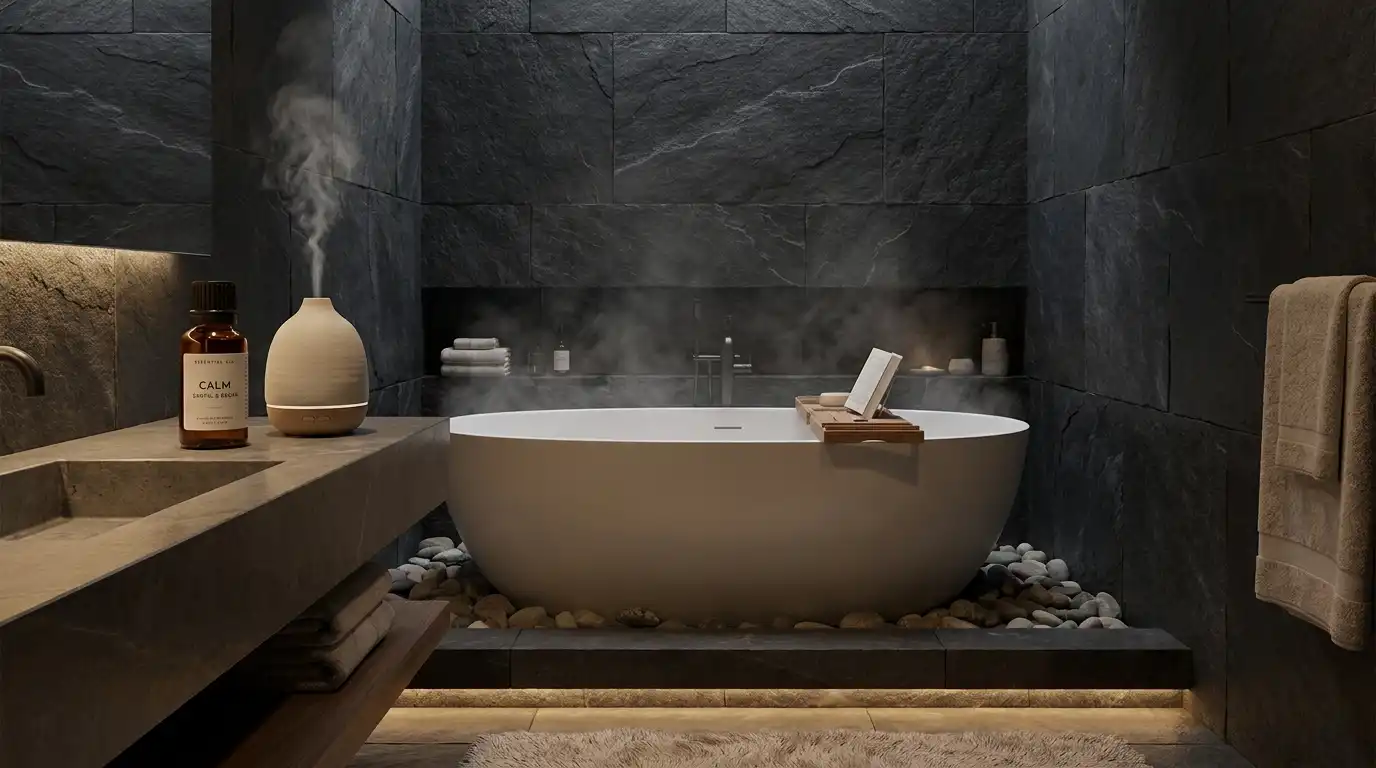
Private sanctuaries: Transforming residential bath environments into private wellness retreats through soft material palettes and ambient scent.
The Future of Emotional Resort Living
As sensory living continues to evolve, emotional atmosphere will likely become one of the most important aspects of luxury residential design. Hospitality-inspired architecture, wellness environments, and sensory planning are already reshaping how contemporary homes are experienced.
Future luxury residences will continue moving toward immersive sanctuary-style environments that prioritize emotional wellness, calmness, and restorative living experiences. In this new era of residential design, emotional escape becomes not an occasional luxury, but part of everyday living itself.
Many contemporary homes now incorporate indoor outdoor living spaces designed to strengthen emotional openness and sensory calmness throughout the residence.
Many luxury environments now prioritize emotional atmosphere as a central element of wellness-oriented residential design.
The growing influence of hospitality-inspired living continues to reshape modern luxury residential architecture.
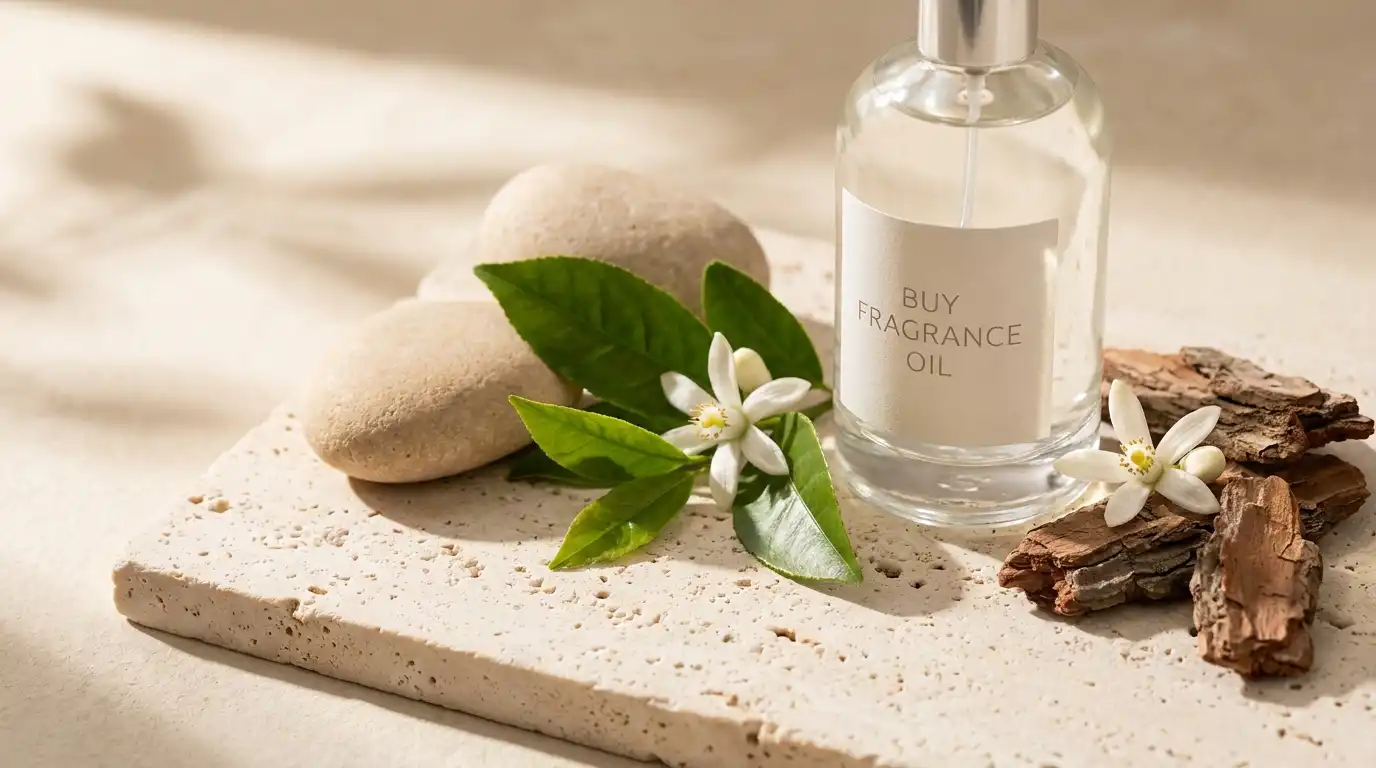
The ingredients of stillness: Formulating retreat-inspired sensory atmospheres with premium botanical notes and warm woody compositions.
 Floral Best Sellers
 Everyday Elegant Scents
 Resinous / Balsamic
 Oriental / Amber
 Fougère